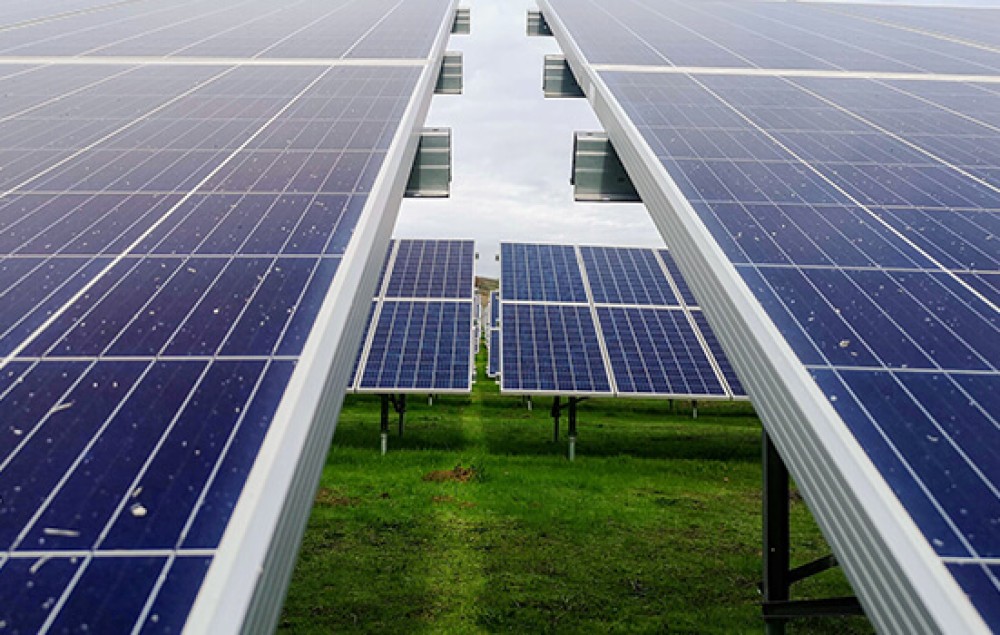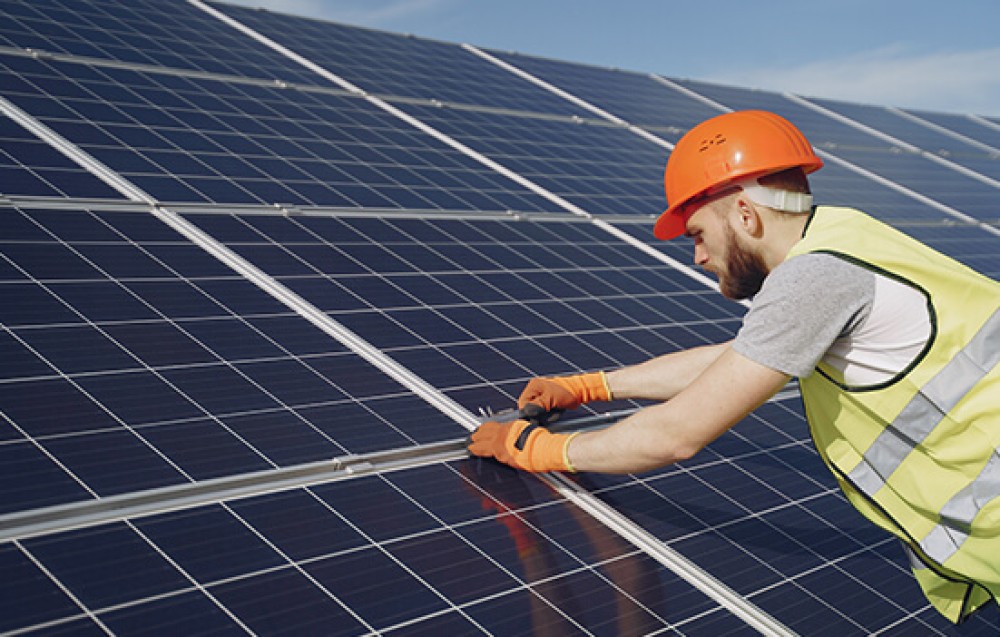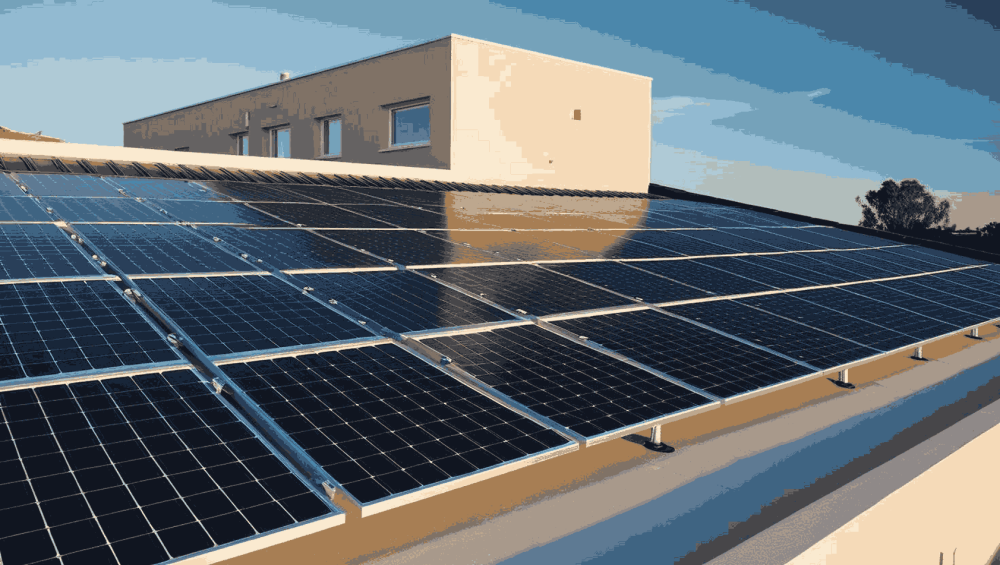
With rising electricity costs and increasing environmental concerns, solar energy has become one of the most practical and sustainable solutions for households and businesses. By switching to solar power, you not only cut down your expenses but also contribute to a healthier planet.
Installing solar panels allows you to generate your own electricity, reducing your monthly dependence on the power grid. Over time, homeowners can save up to 60–80% on electricity costs.
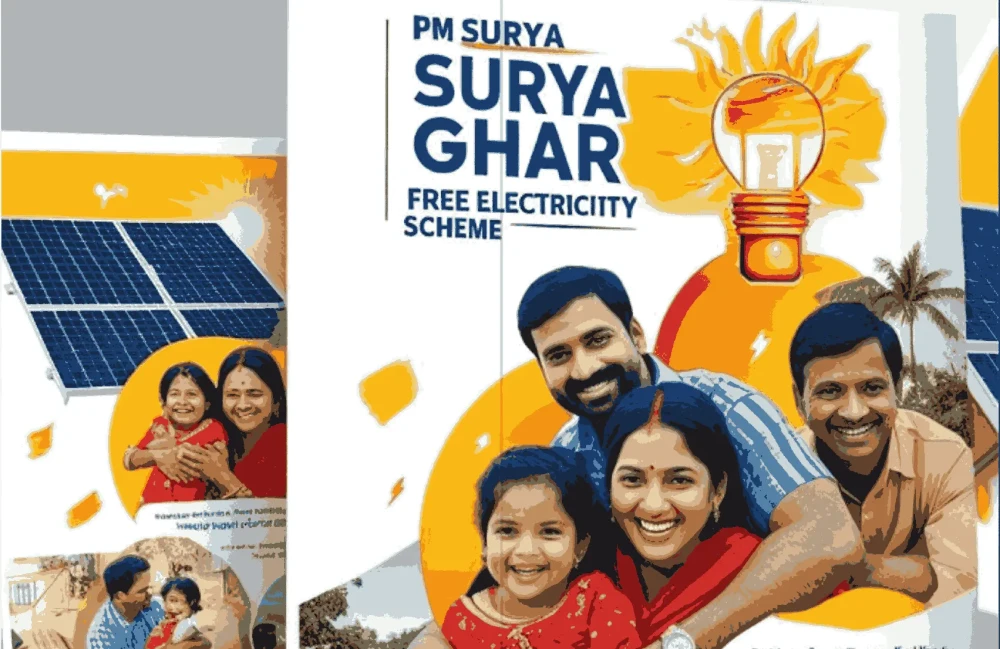
In 2025, various government subsidies, tax benefits, and net metering policies make solar installations more affordable. These financial incentives significantly reduce the upfront cost of solar panels.
Solar panels last 25+ years with minimal maintenance. That means once installed, you lock in years of free energy, making solar a future-proof investment against rising electricity prices.
Homes with solar installations are more attractive to buyers. A solar-powered house is seen as energy-efficient and cost-saving, which increases resale value.
Unlike fossil fuels, solar power generates clean energy with zero harmful emissions. Each household that switches to solar helps reduce tons of carbon dioxide emissions every year.
Traditional power generation relies heavily on coal, oil, and gas. Solar energy reduces dependency on these non-renewable resources, preserving them for future generations.
By reducing greenhouse gases, solar power plays a critical role in slowing down global warming and protecting the planet’s climate stability.
Solar energy is renewable, abundant, and sustainable. Switching to solar means you are actively choosing a lifestyle that respects and protects nature.
Solar energy is more than just a way to save money—it’s a way to build a cleaner, greener future. By adopting solar power, you cut your electricity bills, enjoy government incentives, and contribute to protecting the environment.
In 2025, there’s no better time to make the switch.

Integrit Solar Energy is an Indian company specializing in solar and renewable energy solutions. They offer a range of services, including residential solar rooftop installations, commercial solar plants, and industrial solar plants.