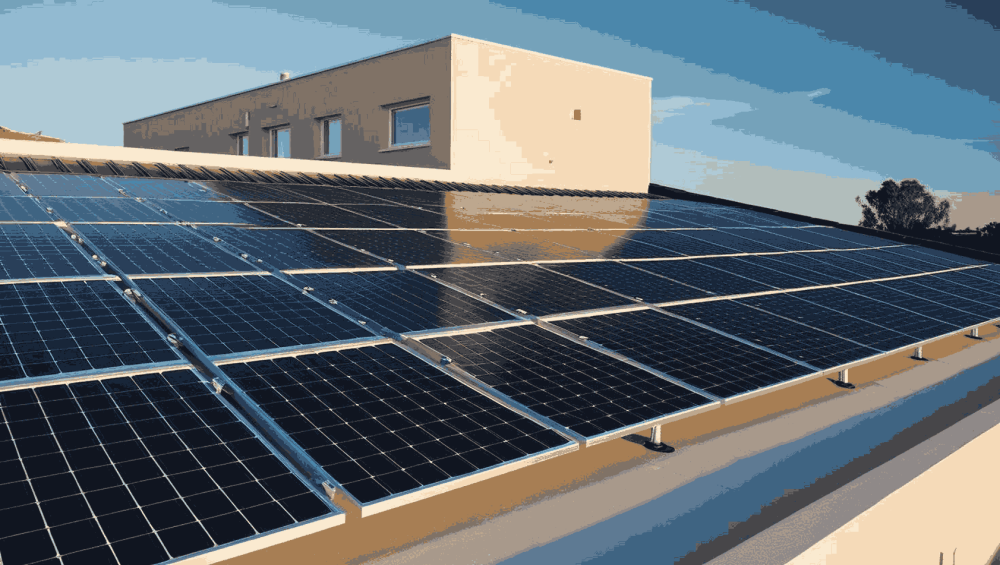
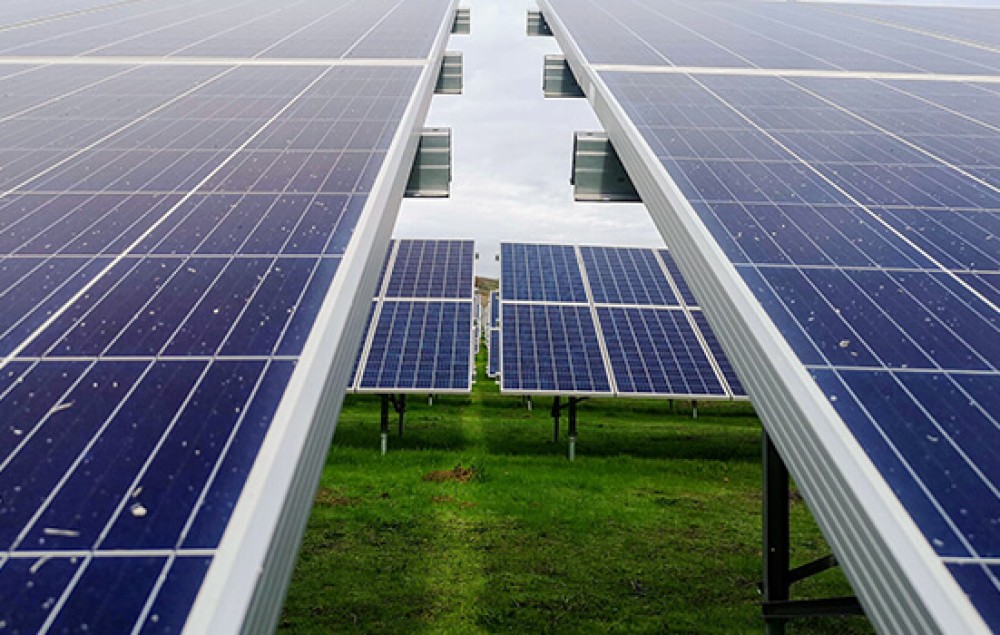
With rising electricity costs and growing concern for the environment, many households and businesses are questioning whether to stick with traditional electricity or switch to solar power. Both have their pros and cons, but in 2025, solar energy is emerging as the smarter choice.
Traditional Electricity
Prices fluctuate based on coal, oil, and gas markets.
Monthly bills continue rising due to fuel shortages and taxes.
Solar Power
Requires an initial investment for installation.
Once installed, electricity is almost free.
Homeowners can save 60–80% on bills.
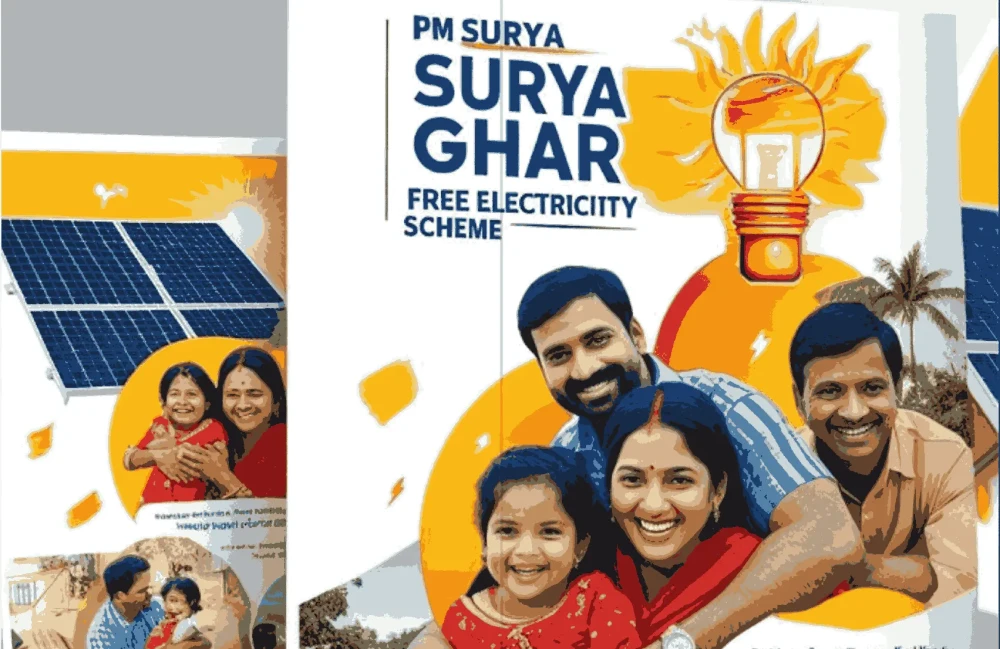
Government subsidies make solar more affordable.
👉 Winner: Solar Power – Long-term savings far outweigh the initial cost.
Traditional Electricity
Generated mostly from fossil fuels.
Releases CO₂ and harmful emissions, contributing to climate change.
Solar Power
100% clean and renewable.
Reduces carbon footprint significantly.
Helps in sustainable living.
👉 Winner: Solar Power – Eco-friendly and renewable.
Traditional Electricity
Dependent on grid supply.
Power cuts and outages are common in many areas.
Solar Power
With solar batteries, you can store power for use at night or during blackouts.
Provides energy independence from utility companies.
👉 Winner: Solar Power – Reliable and future-proof.
Traditional Electricity
No direct maintenance for users, but monthly bills keep increasing.
Solar Power
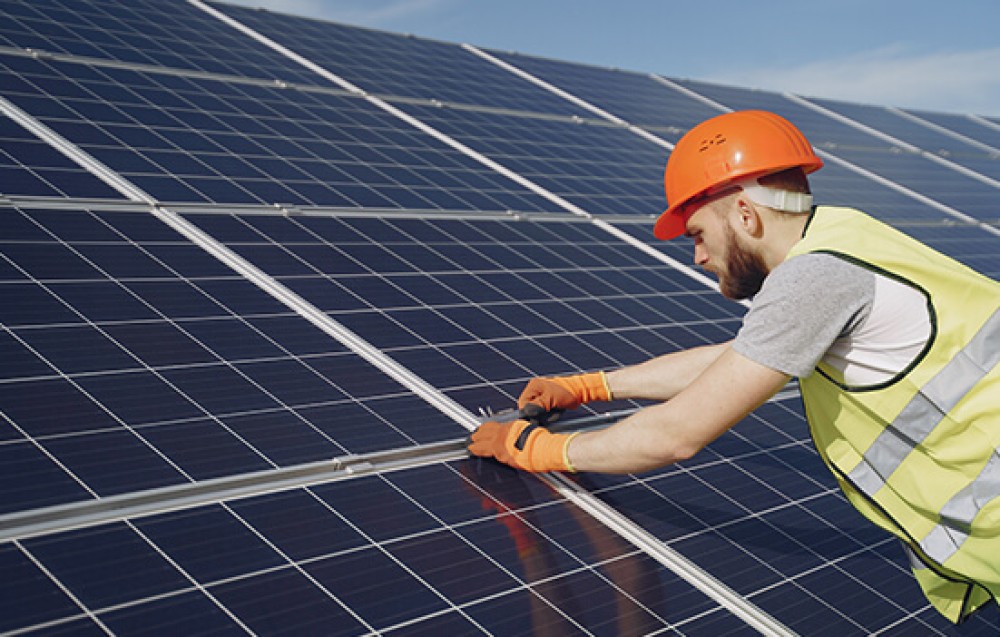
Minimal maintenance – panels just need cleaning and occasional servicing.
Panels last 25+ years with warranties.
👉 Winner: Solar Power – Low effort, long lifespan.
Traditional Electricity
Standard homes with no added energy-saving features.
Solar Power
Increases resale value.
Buyers are willing to pay more for energy-efficient homes.
👉 Winner: Solar Power – Adds value to your property.
While traditional electricity remains the default for most households, solar power clearly outshines it in 2025. From saving money to protecting the environment and ensuring long-term energy independence, solar is not just better—it’s the future.

Integrit Solar Energy is an Indian company specializing in solar and renewable energy solutions. They offer a range of services, including residential solar rooftop installations, commercial solar plants, and industrial solar plants.