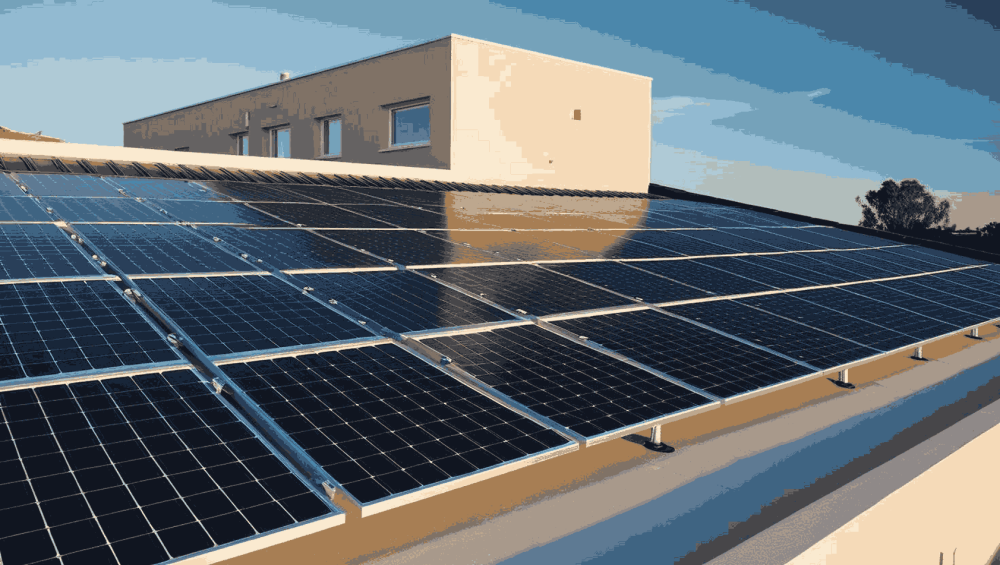
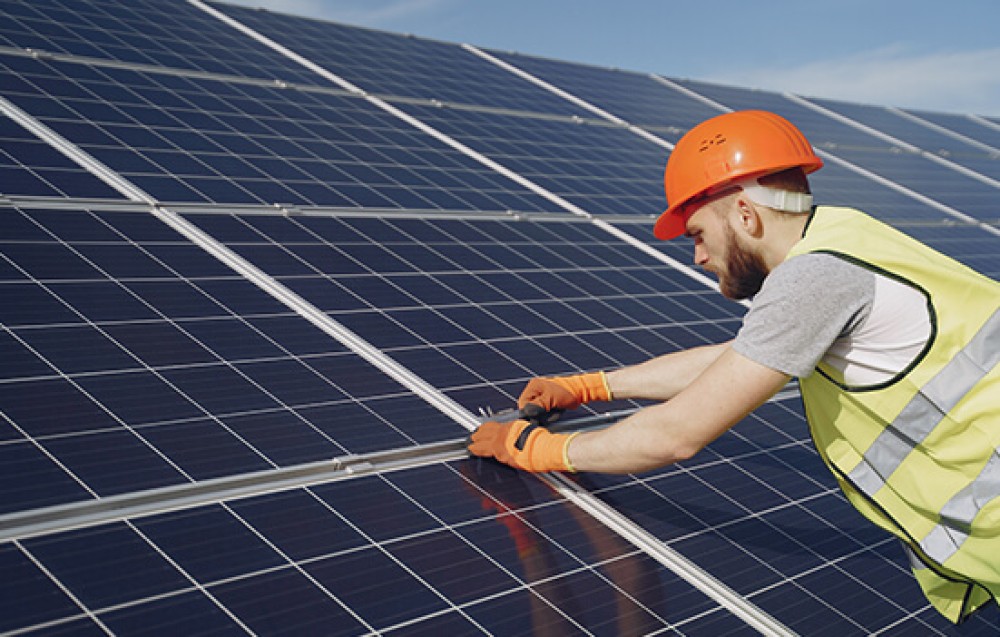
Solar panels are no longer a luxury—they’re a smart investment for homeowners who want to reduce electricity bills and embrace sustainable living. If you’re new to solar energy, the process of installing solar panels may seem complicated. This beginner-friendly guide will walk you through everything you need to know before making the switch.
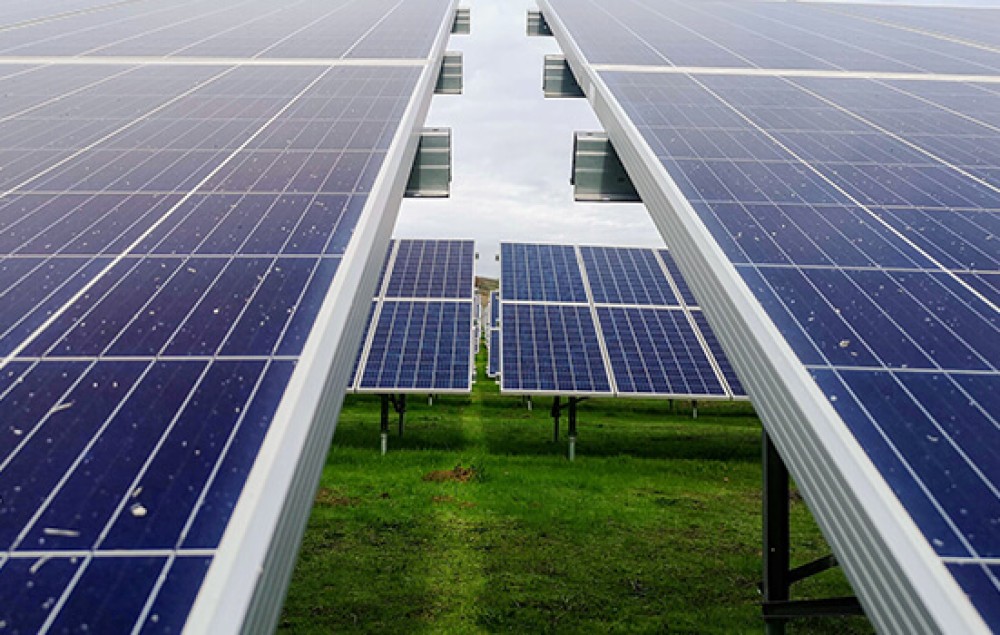
Solar panels convert sunlight into electricity using photovoltaic (PV) cells. This power can be used immediately, stored in solar batteries, or sent back to the grid through net metering.
Not all rooftops are ideal for solar panels. Consider:
✅ Roof direction (south-facing roofs are best in India)
✅ Roof angle and shading from trees/buildings
✅ Available space for panel installation
✅ Local weather conditions (sunlight exposure)
There are three main types of solar systems for homes:
On-Grid System – Connected to the electricity grid; allows net metering.
Off-Grid System – Uses batteries; ideal for remote areas with no grid access.
Hybrid System – Combination of both; offers flexibility and backup power.
Check your monthly electricity bill to calculate how much power you consume. This helps in choosing the right system capacity (e.g., a 3kW or 5kW system for homes).
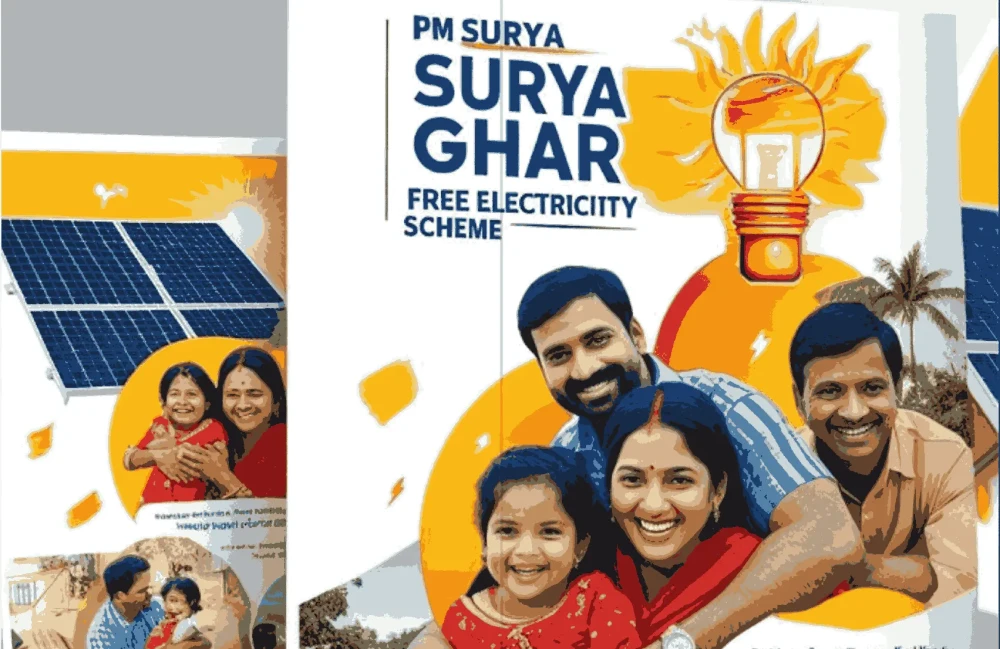
In 2025, the Indian government provides subsidies for residential solar rooftop systems, along with state-level incentives. These schemes can lower your installation costs significantly.
Look for a professional solar installation company that offers:
✅ Free site survey
✅ Quality solar panels & inverters
✅ Warranty & after-sales service
✅ Assistance with subsidy paperwork
Site Survey & Design – Experts evaluate your roof and design the system.
Permits & Paperwork – Required approvals are taken from DISCOM (electricity board).
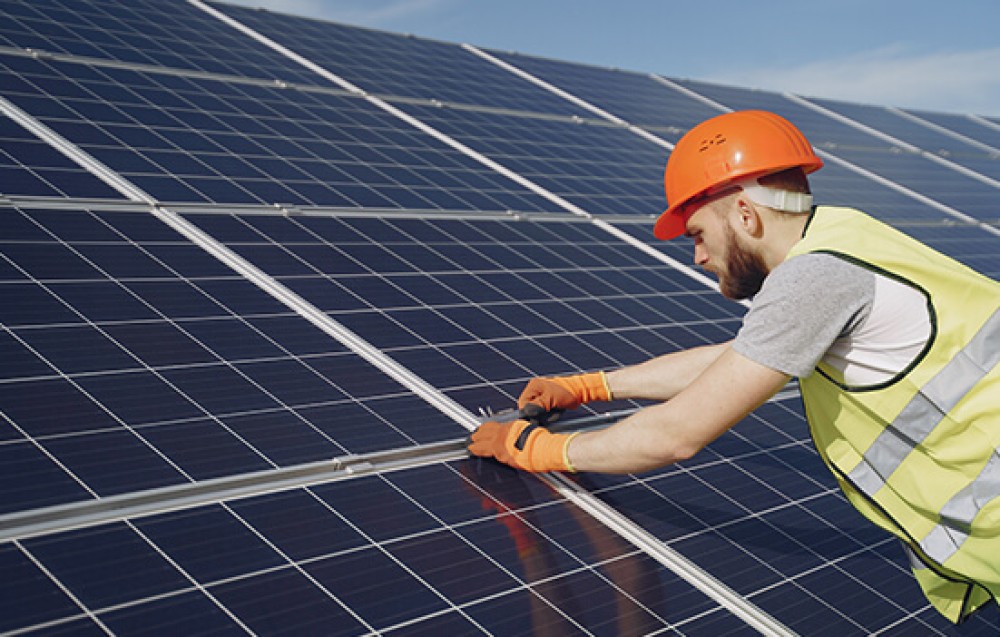
Mounting the Panels – Solar panels are fixed securely on your rooftop.
Electrical Wiring & Inverter Setup – Connects panels to the inverter and battery/grid.
System Testing & Commissioning – Final check to ensure smooth power generation.
Solar panels require low maintenance—just cleaning dust and checking performance once in a while. Many modern systems include mobile apps for real-time monitoring of energy production.
Installing solar panels may seem like a big step, but with the right guidance, it’s a simple process. By understanding your energy needs, choosing the right system, and working with trusted professionals, you can enjoy clean, affordable, and reliable energy for years to come.

Integrit Solar Energy is an Indian company specializing in solar and renewable energy solutions. They offer a range of services, including residential solar rooftop installations, commercial solar plants, and industrial solar plants.