
Explore 2025 solar subsidies in India—PM Surya Ghar scheme, MNRE rooftop support, state incentives, KUSUM, tax benefits & net metering explained.
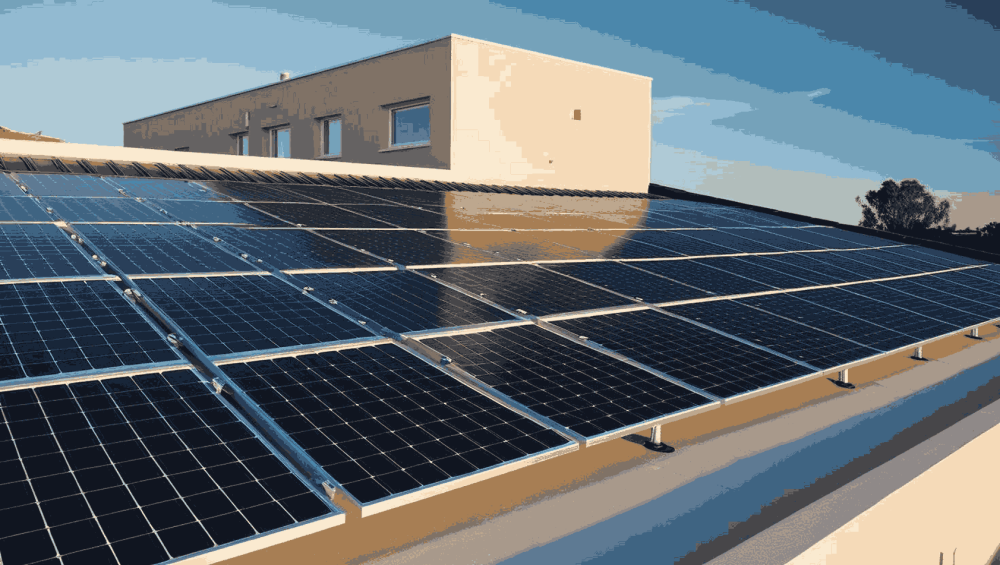
Launched on February 29, 2024, this flagship scheme aims to cover 1 crore households, offering up to 300 units of free electricity per month via rooftop solar.
Subsidy structure (directly transferred to beneficiaries):
₹30,000 for 1 kW systems
₹60,000 for 2 kW systems
₹78,000 for 3 kW and above
As of March 2025, over 47 lakh applications received and ₹4,770 crore disbursed
Additional support through Central Financial Assistance (CFA):
40% subsidy on systems up to 3 kW
20% subsidy for systems between 3–10 kW
10% extra subsidy for installations in Northeastern states
Available only through MNRE-empaneled vendors
States often offer capital subsidies on top of central support:
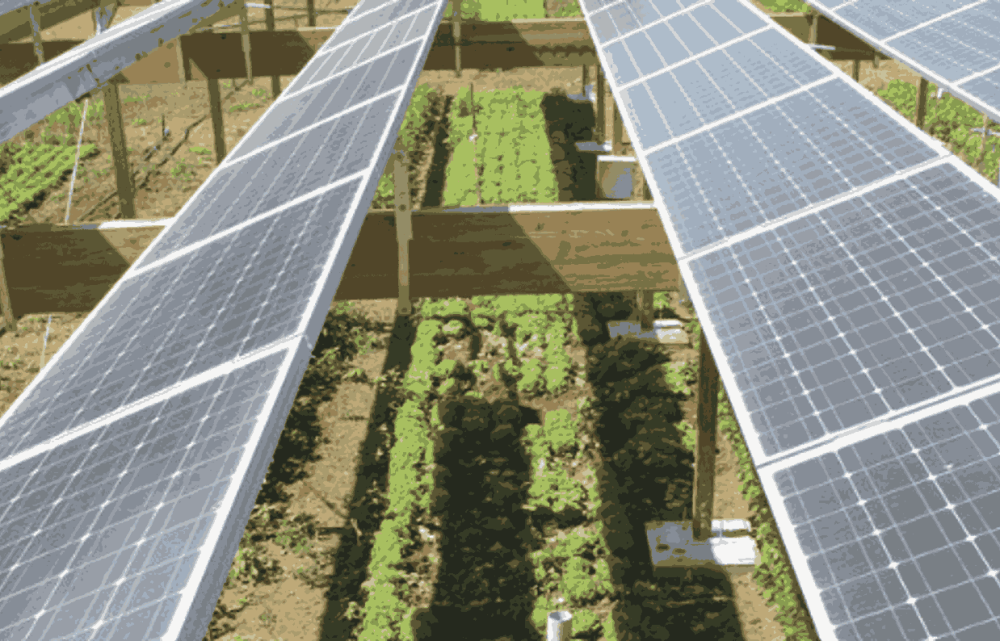
KUSUM (Pradhan Mantri Kisan Urja Suraksha evam Utthaan Mahabhiyan) supports agricultural solar use:
Up to 30% subsidy for standalone solar pumps
Up to 60–80% subsidy for community solar plants or solarizing pumps .
Accelerated Depreciation (AD): Businesses can claim 40% depreciation on solar equipment in the first year—substantial tax savings .
GST Reduction: Solar equipment attracts a reduced 5% GST rate, making installations more affordable.
Duty Exemptions: Commercial setups may enjoy concessions on electricity duty, customs duty, etc.
For commercial entities, Section 80-IA and depreciation under Section 32 offer further incentives. However, residential installations do not qualify for personal income tax deductions.
Net Metering allows excess solar energy to be fed back into the grid; utilities credit you for this, reducing bills significantly.
Low-interest Solar Loans: Banks (like SBI, PNB) and agencies like IREDA offer solar loans at 5–7% interest plus interest subvention schemes.
Central Subsidies: Up to ₹78,000 under PM Surya Ghar + 40% CFA through MNRE.
State Add-ons: Extra funds vary by state (₹10,000–₹30,000+ kW depending on region).
Farmer Support: Through PM-KUSUM (30–80% subsidy depending on program component).
Tax/Fiscal Benefits: Accelerated depreciation, lower GST, duty waivers (mainly for businesses).
Net Metering & Finance: Utility credits for excess energy + favorable loan options.

Integrit Solar Energy is an Indian company specializing in solar and renewable energy solutions. They offer a range of services, including residential solar rooftop installations, commercial solar plants, and industrial solar plants.